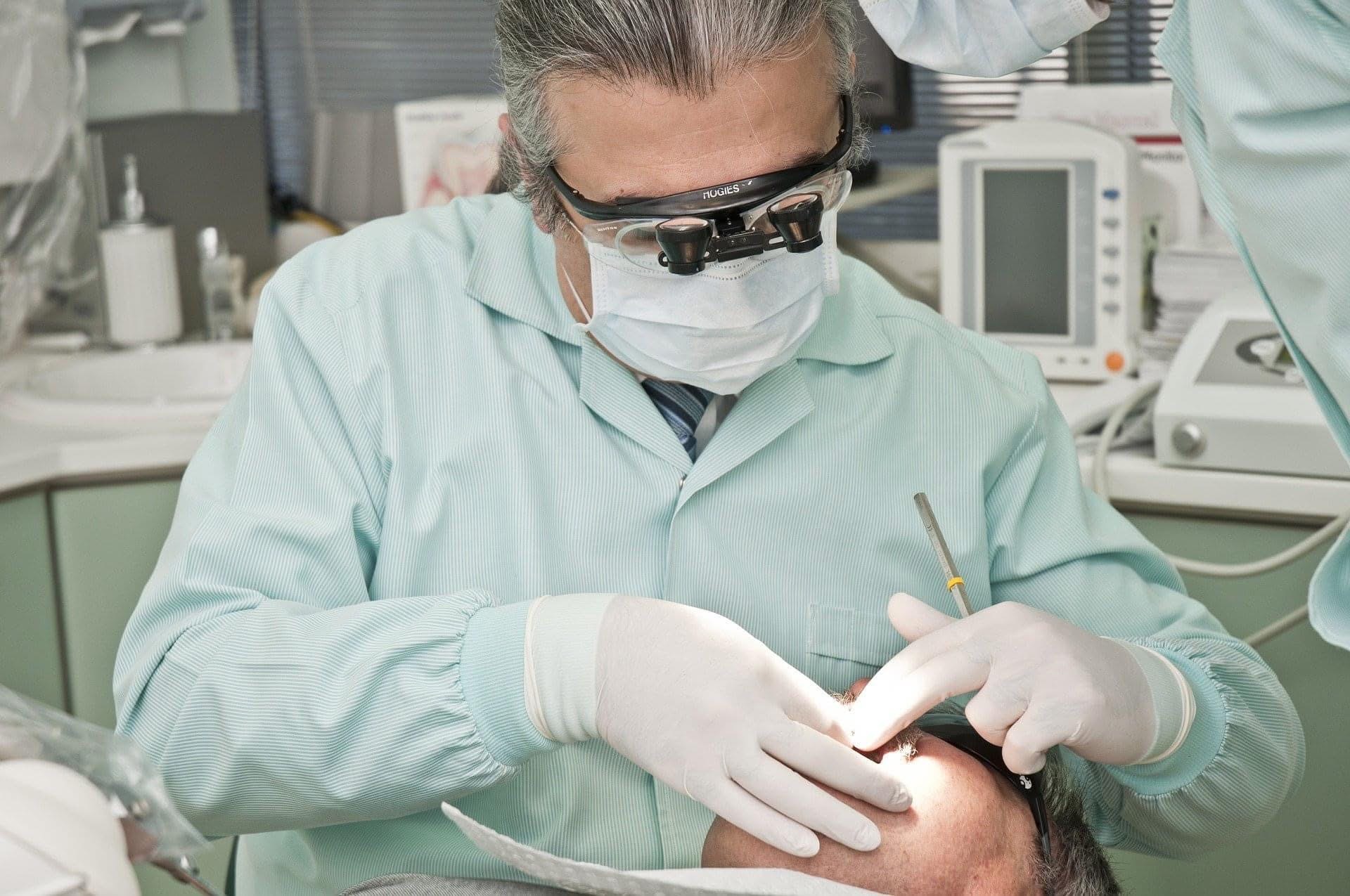

Many patients today are taking a closer look at the materials used in their dental restorations, particularly older silver-colored amalgam fillings. These fillings contain a combination of metals, including mercury, and some patients prefer to explore metal-free alternatives. However, removing amalgam fillings requires careful planning and appropriate precautions.
If you’re considering mercury filling removal, asking the right questions can help you better understand the procedure and make an informed decision about your dental health.
What Safety Precautions Do You Use?
One of the most important questions to ask is how your dentist manages potential mercury exposure during removal. Drilling into amalgam fillings can release mercury vapor and particles, making appropriate protective measures an important consideration.
Some biological dentists follow the Safe Mercury Amalgam Removal Technique (SMART), developed by the International Academy of Oral Medicine and Toxicology (IAOMT). This protocol incorporates measures such as high-volume suction, protective barriers, air filtration, and techniques intended to reduce exposure during removal.
Do You Have Experience Removing Amalgam Fillings?
Not every dentist approaches amalgam removal the same way. Asking about their experience, training, and removal techniques can help you understand what to expect during your appointment.
You may also want to ask whether the dentist uses specialized equipment and how the surrounding teeth and tissues are protected throughout the procedure.
What Materials Will Replace My Fillings?
If your amalgam fillings are removed, the next step is selecting an appropriate replacement material. Tooth-colored composite resin, ceramic restorations, and other materials may be considered depending on the tooth’s condition and location.
Patients interested in holistic dentistry in Miami often appreciate discussing the composition and biocompatibility of dental materials before making a decision.
Is Removing My Fillings Necessary?
Not every amalgam filling needs to be replaced. In fact, removing a filling that is intact and functioning properly can unnecessarily remove healthy tooth structure and temporarily increase mercury exposure.
A thorough examination can help determine whether an existing restoration has developed cracks, decay, leakage, or other concerns that justify replacement.
What Should I Expect After the Procedure?
Ask your dentist about recovery, temporary sensitivity, and any follow-up care that may be necessary. Understanding the process beforehand can help you feel more comfortable and prepared.
Making an Informed Decision at Assure A Smile
At Assure A Smile, we believe patients deserve clear information about their dental treatment options. Our approach emphasizes personalized care, thoughtful material selection, and patient education.
If you have questions about existing amalgam fillings or want to explore metal-free restorations, contact us to schedule a consultation and discuss your options.